Materials
Concrete pavers in Northridge, CA
The workhorse material for driveways, patios, and walkways across Northridge. Here is what concrete pavers are, which style suits which job, and how they behave on Northridge ground.
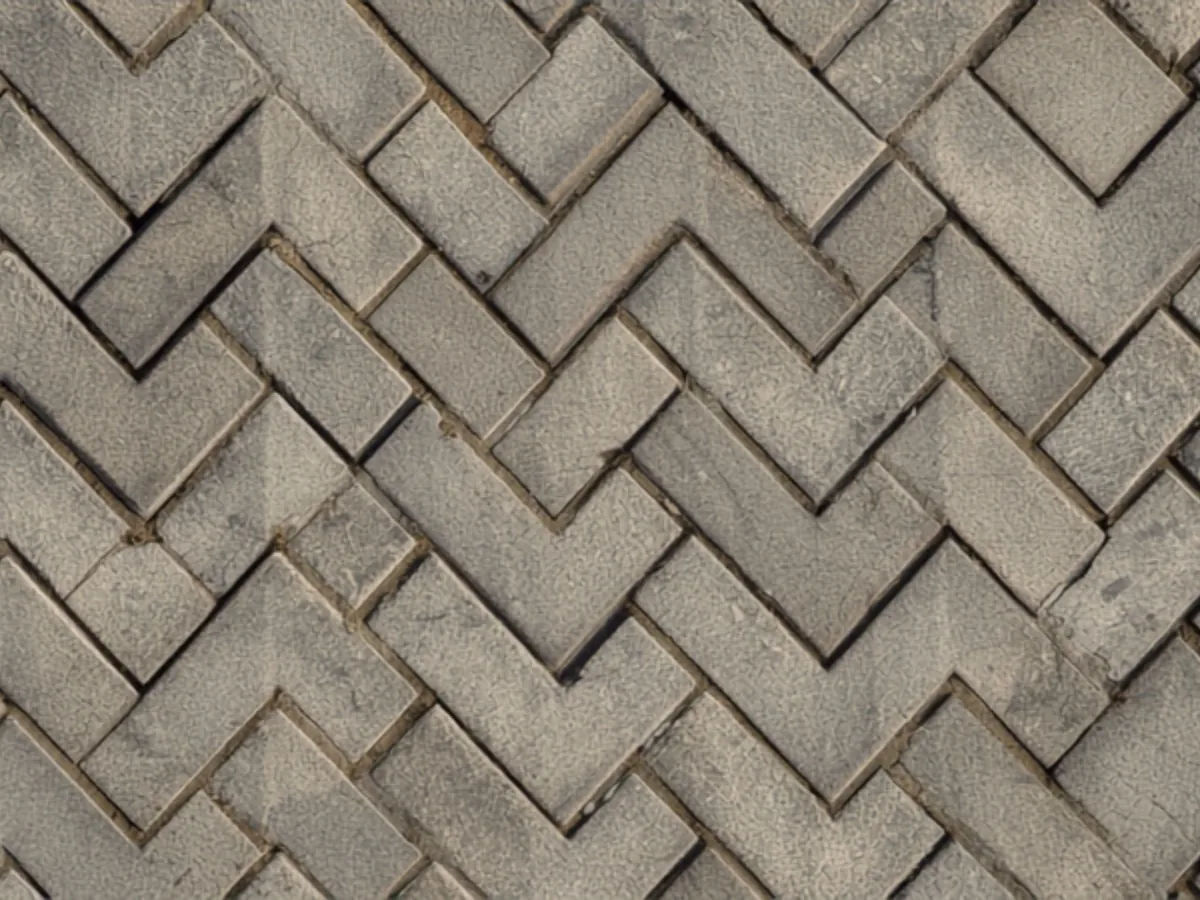
What the unit is made of
A concrete paver is a finished unit made in a plant, not a mix poured on your driveway. The dry cast process presses a very low water mix into a mold under high pressure and vibration, then cures it in controlled conditions. That combination produces a unit far denser than concrete poured on site, with low absorption and a dense face that resists abrasion.
Two thicknesses matter for residential work. The 60mm unit is for patios, walkways, and pool decks. The 80mm unit is for anything a vehicle touches. Using 60mm under a car is the shortcut that shows up as rutting a few winters later, and it is not worth the small saving.
The styles worth knowing
- Standard rectangle, sometimes called Holland. Clean lines, the cheapest per foot, and the best choice for herringbone because the interlock is strongest with a simple rectangular unit. The default for driveways.
- Tumbled old world. Run through a tumbler to soften the edges and faces so the finished surface reads as aged stone. Suits the Spanish and Mediterranean homes scattered through Northridge, and the tumbling costs more.
- Large format slab and plank. Big rectangular units with tight joints for a contemporary, calm surface. Excellent on a patio, less suited to a driveway because fewer, larger units mean less interlock.
- Cobble and antique square. Small units, lots of joint lines, a traditional look that works well on curved walkways and border banding.
- Permeable. Purpose built units with wide joint spacers that pass water through the surface into an open graded stone reservoir. On the flat north Valley, where nothing sheds naturally, this is a genuinely useful option rather than a novelty.
Why the material fits this ground
Northridge sits on the alluvial fan of the San Fernando Valley, and the town lent its name to the magnitude 6.7 earthquake of January 17, 1994, whose epicenter was near Reseda Boulevard and Arminta Street about ten miles down. That event left permanent ground deformation across the Valley floor. The point is not alarm, it is behavior: on soil that has demonstrably moved, a surface built from many units on a flexible base has a real advantage over one that is a single rigid plate.
A slab that cracks is a repair problem. There is no way to fix the crack, only to saw a section out and pour a patch in a color that will not match. A concrete paver field that settles is a maintenance task. The units lift out, the bedding underneath is corrected, and the same stone goes back down with no visible seam. Add the second Valley factor, summers well past 100 degrees, and the case gets stronger, because thermal movement disperses into hundreds of sand joints instead of building up in one continuous pour. That behavior on this particular ground is why Northridge paver contractors reach for the concrete unit before anything else.
Concrete pavers against the alternatives
| Material | Installed / sq ft | Where it shines | Watch for |
|---|---|---|---|
| Concrete pavers | $14 - $20 | Driveways, patios, best strength per dollar | Some color settling over long sun exposure |
| Poured concrete | $8 - $15 | Lowest up front cost | Cracks across the slab, patches never match |
| Porcelain pavers | $22 - $32 | Modern patios, near zero fade | Premium price, needs precise base work |
| Natural stone | $25 - $40 | High end patios, unique character | Cost, and thickness varies unit to unit |
| Clay brick | $18 - $26 | Color that never fades | Limited color range, more brittle at edges |
Pick the paver, then pay attention to the base.
Ground out here still moves, so the layer under the paver decides how long the surface stays flat. A good installer specs it for the lot rather than to a standard depth.
Get a fast quoteChoosing color for Valley sun
Colors are pigmented through the body of a modern concrete paver, not painted on the surface, so wear does not expose a gray core the way it used to. Sunlight still relaxes the tone slightly over years of high 90s summers. The practical answer is to choose a multi tone blend rather than a flat single color, because variation is already the point and any change reads as part of the look. Lighter blends also stay meaningfully cooler underfoot, which matters on a pool deck or a west facing patio in August. If you want a dark, dramatic driveway, that is a fine choice, just know it will be warm to walk on.
Upkeep, honestly
Very little. Rinse the surface when it looks dusty. Top up joint sand every few years where wind or pressure washing has pulled it out, since the sand is what holds the interlock. Sealing is optional; it deepens color and makes spills easier to clean, and it needs redoing periodically. If a unit ever gets stained beyond cleaning, pull that one and put a new one in. That is the whole maintenance list, and every item on it is something a slab cannot offer.
On ground that still moves the base decides everything, which how a Northridge driveway is built covers.
Concrete unit work on Northridge ground is easier to see than to explain.
Not sure which paver to pick?
The contractor brings samples to the site in Northridge, holds them against the house, and prices the options in writing.
Get a fast quoteBefore you pick a unit
What is the difference between concrete pavers and poured concrete?
Poured concrete arrives wet and cures into one continuous slab. Concrete pavers arrive as finished units, manufactured under pressure to a much higher strength, and are set on a compacted base with sand joints between them. Same base material, completely different behavior once the ground underneath moves.
Are concrete pavers strong enough for a driveway?
Yes, provided you use an 80mm thickness on a base built for vehicle loads. A plant pressed paver is a much denser unit than concrete poured on a driveway, and the interlock spreads a wheel load across neighboring units instead of concentrating it.
Do concrete pavers fade in Northridge sun?
Some settling of color happens on any outdoor surface exposed to summers in the high 90s and beyond. Manufacturers now use color throughout the unit rather than only on the face, and a multi tone blend hides the change almost completely because variation is already part of the look. A single tone slab is where fading shows most.
How much do concrete pavers cost in Northridge?
Standard concrete pavers run about $14 to $20 per square foot installed, which makes them the value option among paver materials. Tumbled, large format, and porcelain lines cost more, and natural stone costs more again.