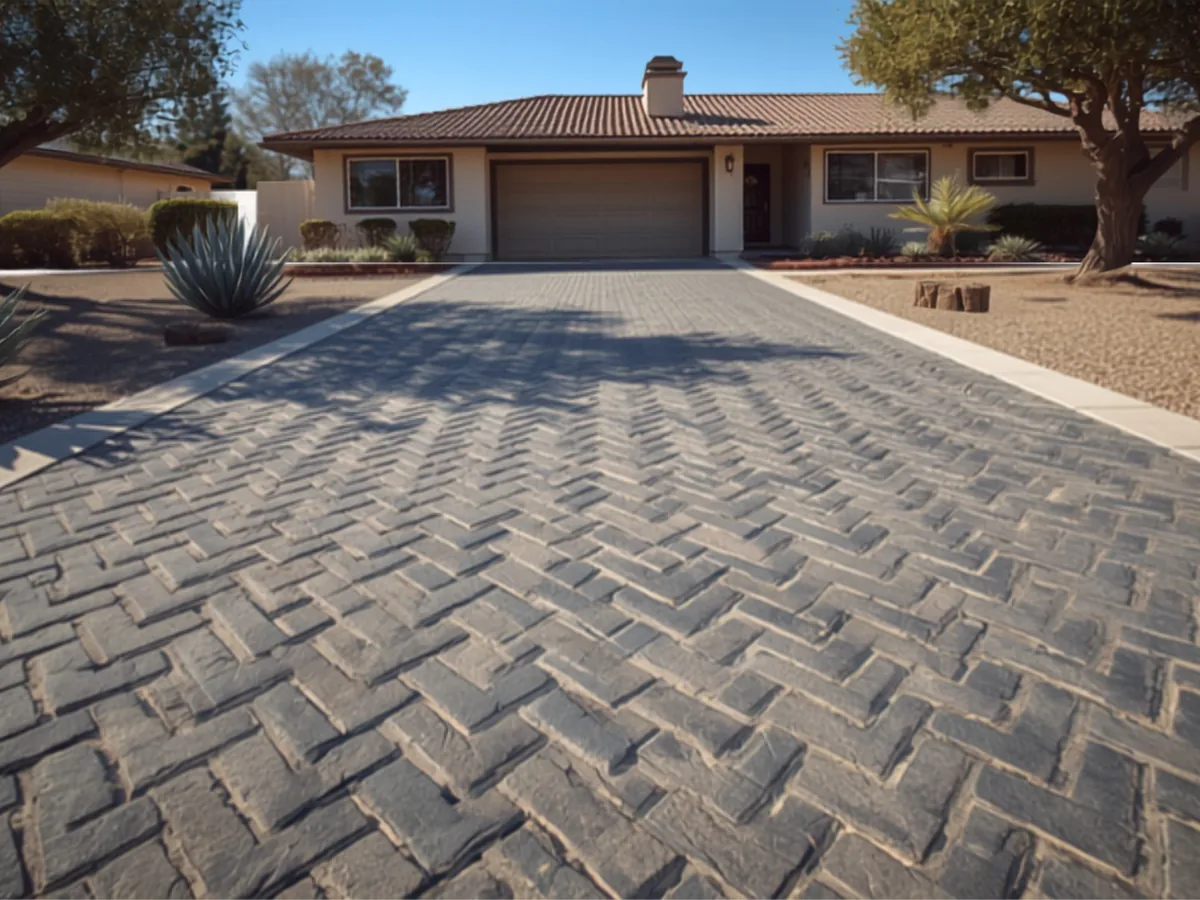
Pavers in Northridge, California
Northridge paver driveways built to carry the load.
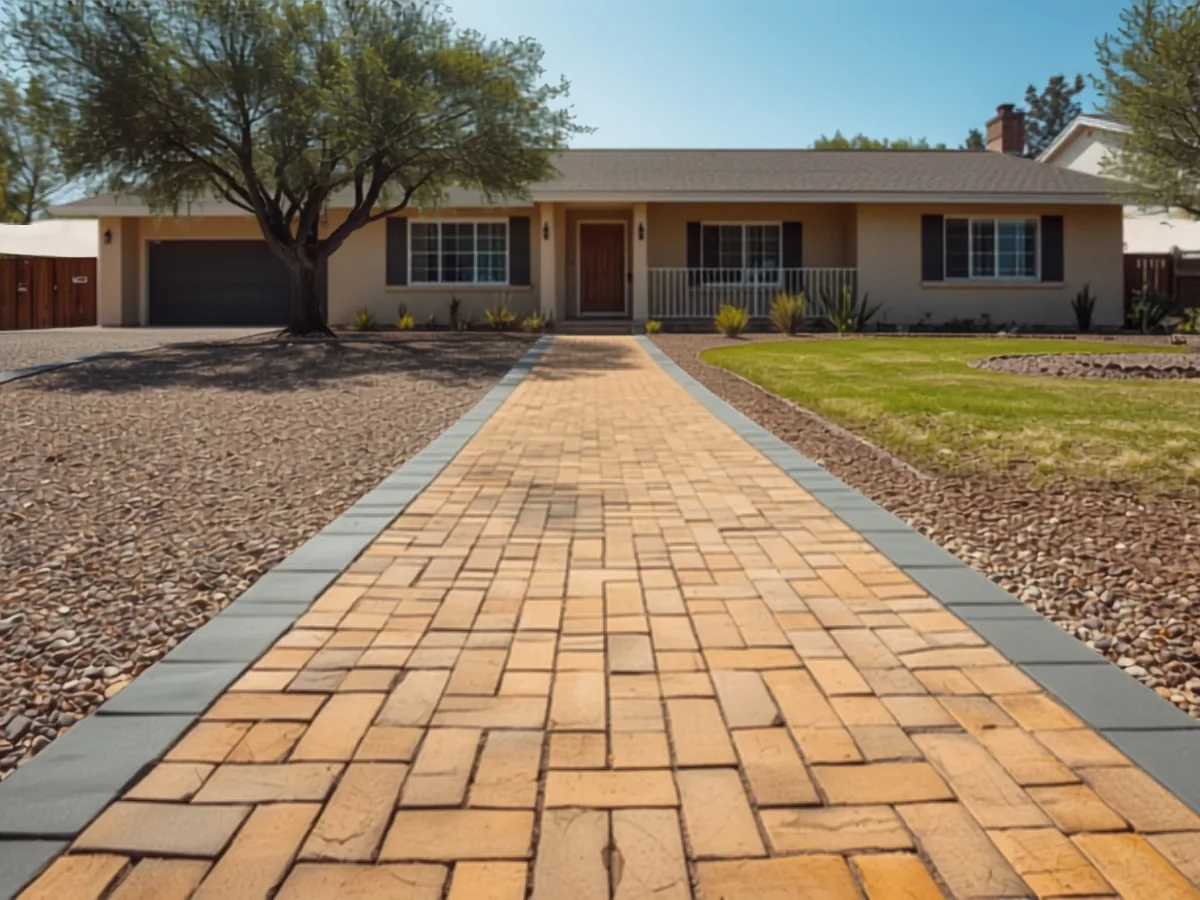
We connect Northridge homeowners with a licensed contractor for heavy-duty paver driveways, patios, and pool decks, built on a base rated for the load and graded to drain on a flat lot.
Built to move
Hard surfaces that take a beating.
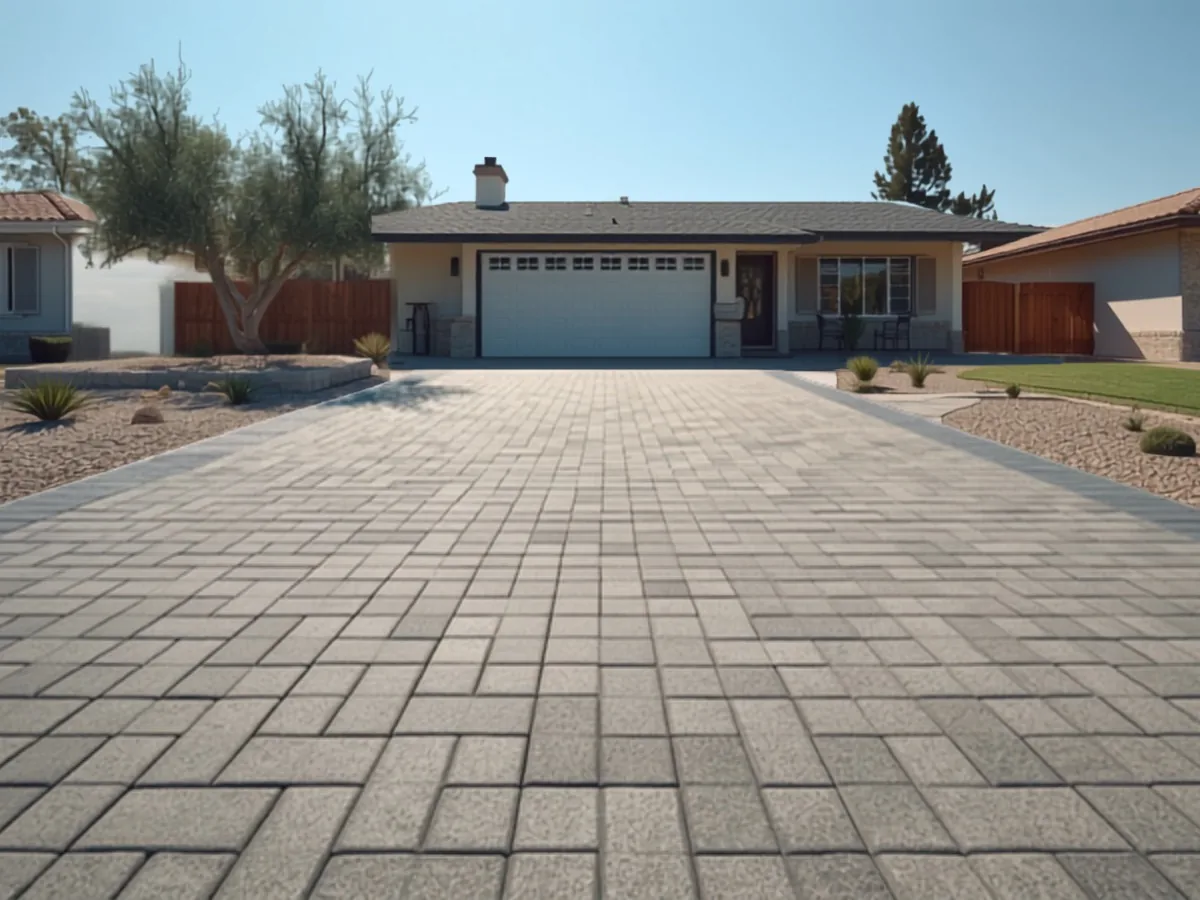
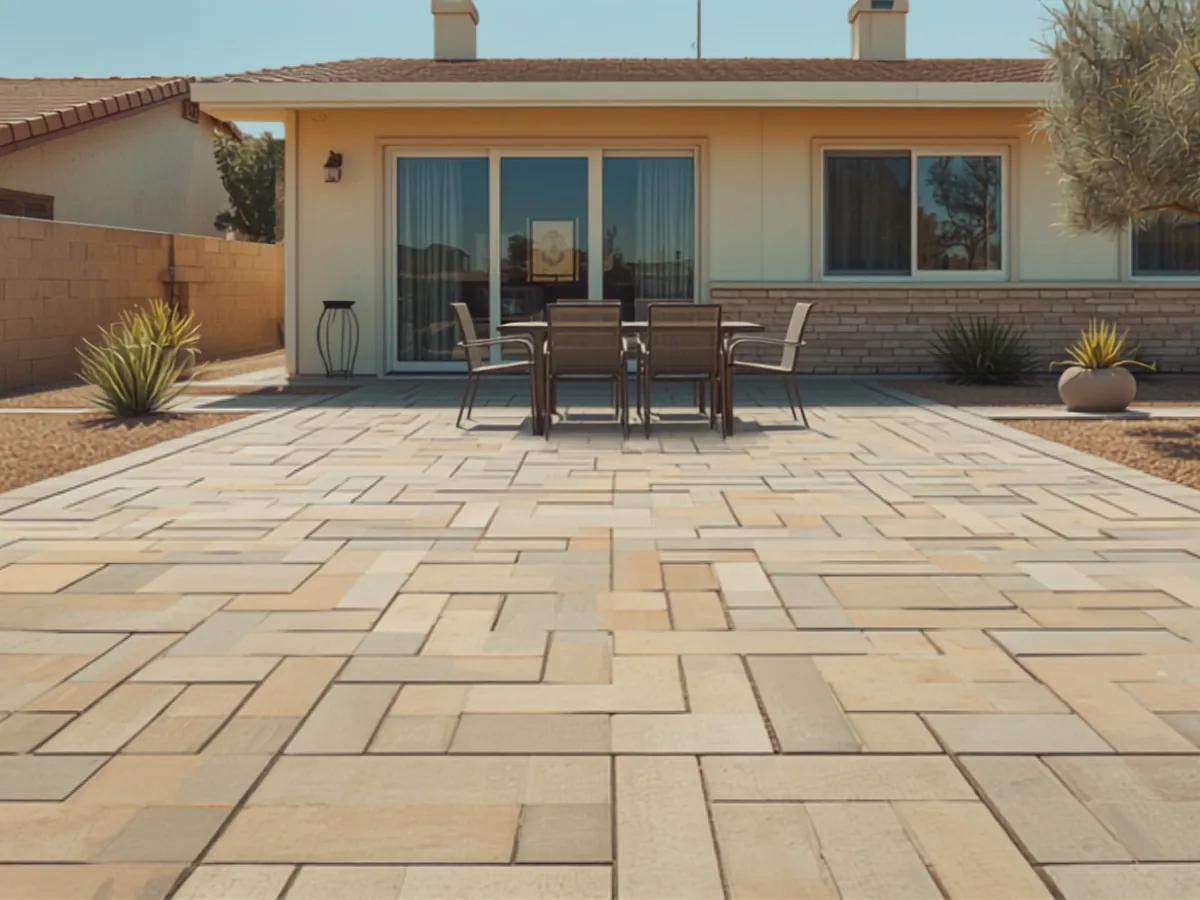
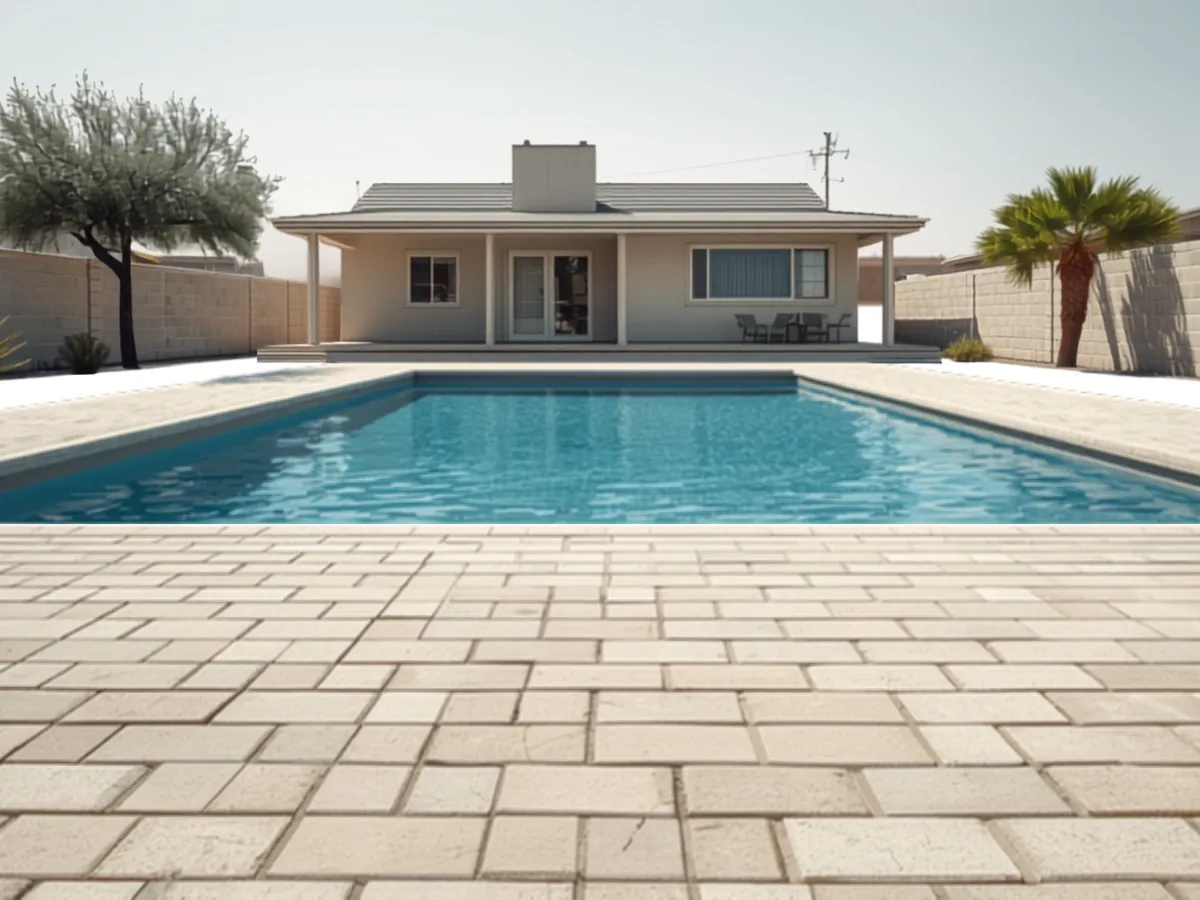
How the job works
Straight talk on how the job runs.
Built for this ground
Why Northridge is different.
This is a flat, north Valley suburb sitting on an alluvial fan, filled with spacious 1950s and 1960s ranch tracts. Both of those facts change how the work gets done.
- Flat alluvial groundAlmost no natural fall, so grading is constructed into the base instead of inherited from the lot.
- 1950s to 60s ranch tractsLarge lots, long driveway runs, and original concrete that is now sixty odd years old.
- Wide, easy street accessStandard grid streets across the CSUN, Nordhoff, and Reseda Boulevard area mean equipment reaches the work.
- City of Los Angeles rulesLADBS jurisdiction, Council District 12, and most tracts here carry no HOA to satisfy.
- Serious summer heatStretches in the high 90s and past 100, where multi-tone paver blends hide fade better than a single pour.
Start with the ground. Northridge is the name attached to the magnitude 6.7 earthquake of January 17, 1994, and the epicenter sat near Reseda Boulevard and Arminta Street, roughly ten miles beneath the same alluvial fan these neighborhoods are built on. It left permanent ground deformation across the Valley floor.
That is not a scare story, it is the practical case for the material. A poured slab is one rigid plate, so when the soil under it moves the slab relieves the stress the only way it can, by cracking across its whole face. An interlocking paver field is hundreds of separate units on a flexible base with sand joints, so movement is absorbed at the joints. If a section ever drops, a crew lifts the units, corrects the bedding underneath, and resets the same stone. Repairable, not replaceable.
Then there is the shape of the lots. The postwar tracts off Devonshire Street and Zelzah Avenue, including the mid fifties Devonshire Country Estates streets, were laid out with long approaches, wide frontage, and setback garages. Driveways here routinely measure 700 or 800 square feet when the homeowner guessed 400, which is why the contractor measures before pricing. And because the fan is essentially level at the scale of one property, drainage is built rather than borrowed: one to two percent of fall cut into the base by hand, with a channel drain or a permeable build wherever a yard has nowhere to shed.
Real numbers
What pavers cost in Northridge.
Installed ranges for Northridge paver work, start to finish. Your written quote is exact.
| Project | Installed range | Typical 400 sq ft |
|---|---|---|
| Paver patio | $15 - $22 / sq ft | $6,000 - $8,800 |
| Paver driveway | $16 - $25 / sq ft | $6,400 - $10,000 |
| Pool deck | $18 - $25 / sq ft | $7,200 - $10,000 |
| Walkway | $15 - $20 / sq ft | $6,000 - $8,000 |
Every range covers base prep, materials, and labor. Tearing out an old surface and building a heavier driveway base nudge the price up.
Read before you buy
Guides that answer it straight.
Written for these lots and this ground, with real numbers rather than averages lifted off the internet.
How long pavers last
Thirty to fifty years, and the upkeep sequence that gets you there, step by step.
Read the guidePavers vs concrete
The whole comparison in one table: cost, service life, failure mode, and repair.
Read the guideWhat drives a quote
A ten point checklist to run against any paver bid you get in Northridge.
Read the guideThe bigger lots
Long runs, gates, and horse property.
Not every job here is a standard tract driveway, and the big parcels need planning before they need a crew.
North of Devonshire Street, the older Northridge Estates pockets still hold large parcels, some of them horse property, with gated frontage and approaches that run a hundred feet or more before they reach a garage. Those jobs work differently. The material order is bigger, the base has to stay consistent over a much longer run, and the gate width decides what equipment gets on site and what has to be walked in by hand.
So the crew measures the approach and checks the gate opening before quoting, rather than finding out on day one that the plate compactor will not fit through it. Where horses or livestock are on the property, the crew fences the work zone and stages material clear of the paddock and the water. On the rest of Northridge, wide grid streets make access the easy part of the job.
What will a paver project run in Northridge?
Most jobs land between $15 and $25 per square foot installed, with base prep, stone, edging, and labor all in. That puts a 400 square foot patio at roughly $6,000 to $10,000. Two things push a number up here. First is tear-out, because the concrete on a 1950s or 1960s ranch lot is usually the original pour and has to come out and get hauled away. Second is size. Driveways on these tracts run long and wide, and an owner who guessed 400 square feet often has 700 or 800. The contractor measures before pricing, so the written quote is the real number.
How strong is a paver driveway?
Strong enough for daily vehicle loads, and the strength comes from the base more than the stone. Under a driveway the crew excavates deeper than for a patio, lays compacted aggregate in lifts, and locks the field in with edge restraint so nothing creeps sideways under turning tires. The units themselves carry more load than a poured slab of the same thickness. That matters on these tracts, where the ranch layout sets the garage well back from the street, so the driveway is a long run taking the same tires in the same wheel tracks every day for decades.
What happens to a paver driveway if the ground moves again?
It flexes, and if it drops it can be put back. The 1994 quake had its epicenter roughly ten miles under this part of the Valley and left permanent deformation in the alluvial fan these neighborhoods sit on. A slab answers that one way, by cracking across its face, and once it cracks you own the crack. A paver field is hundreds of separate units over a flexible base with sand joints, so movement gets taken up at the joints instead of splitting the surface. If a section ever settles, a crew pulls the units, corrects the bedding, and resets the same stone.
Can pavers go over my old ranch-tract concrete?
Sometimes, but usually the concrete comes out. An overlay only works when the existing slab is structurally sound, still draining the right direction, and low enough that adding stone on top will not push the finished surface above your garage threshold or your door sills. On a 1950s or 1960s driveway here, the original pour is often none of the three after sixty-odd years of heat and ground movement. Laying new stone across a cracked slab just prints the old fault through the new surface. When the slab is sound, a good contractor says so on the walk and prices the overlay.
Do pavers get too hot to walk on around a pool?
They run cooler than a poured slab, and the color you choose moves it further. Summer here sits between 95 and 105 degrees for long stretches, and a dark, dense surface holds that heat all afternoon. Pavers are separate units with open joints, so heat sheds from more surface area, and a light or mid-tone blend turns away a good share of it before it soaks in. For pool decks a good installer steers you toward the lighter blends with a textured face, which also grip better wet. Those multi-tone blends hide UV fading far better than one flat pour.
Can the crew schedule around tenants at a rental near CSUN?
Yes, and a good crew sorts it out before the first day. The blocks around the campus are heavy with rentals, and those driveways often serve several cars that all need somewhere else to sit while the work runs. The crew walks the property first, agrees where vehicles park during the job, and stages material so the sidewalk and the neighbors' frontage stay clear. Tear-out and base work are the loud days, so those come first, with dates you can pass to your tenants. On a straightforward driveway the whole run is days, not weeks.
What paver style suits a 1950s ranch house?
Wide format, low contrast, and a simple bond pattern, most of the time. The tracts off Devonshire Street and Zelzah Avenue are long, low, horizontal houses, and a large rectangular paver in a running bond or a soft ashlar layout reads with those lines instead of fighting them. Warm grays and tans sit well against the brick and stucco fronts of that era. Where the house is a Spanish or Mediterranean build, a smaller unit in the terracotta family and a herringbone field suit it better. A good installer brings samples out and lays them down in daylight, because these colors read differently under this sun.
Ranges by project type are in the Northridge price ranges, and the Northridge paver guides explain why the base matters more than the surface here.
The work splits three ways: driveways rebuilt on this ground, patios and pool decks around Northridge, and the paver units that go on top.
Get your fast quote.
Tell us about your driveway or patio and we connect you with a licensed Northridge contractor for a fixed written price. No pressure, no card.